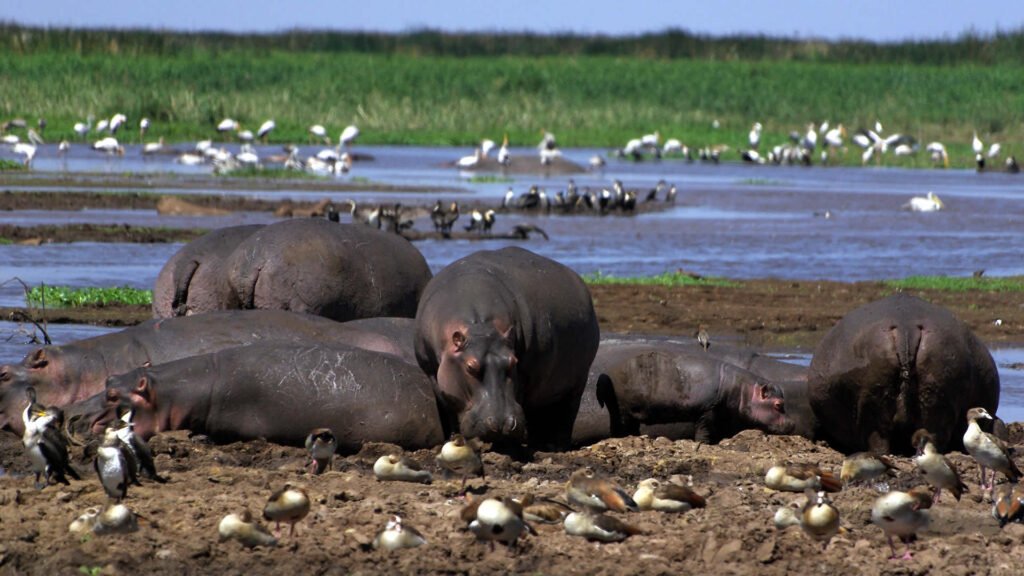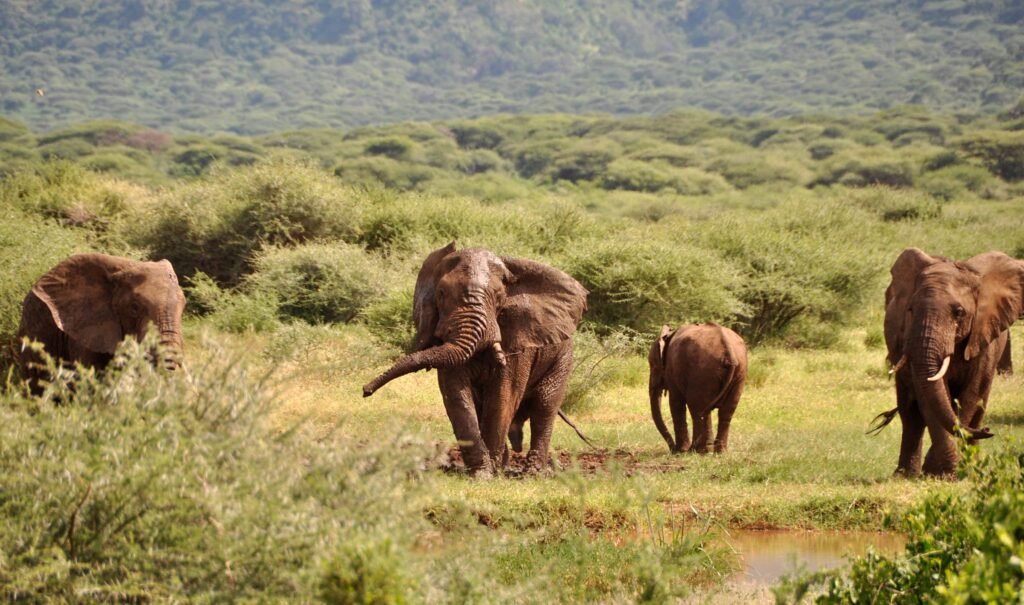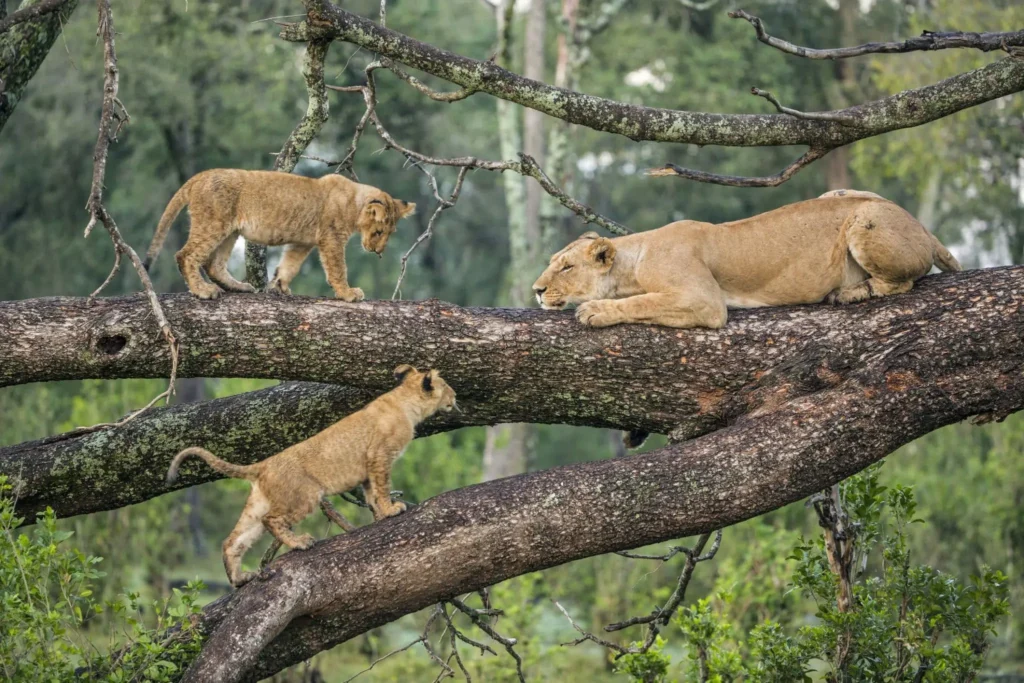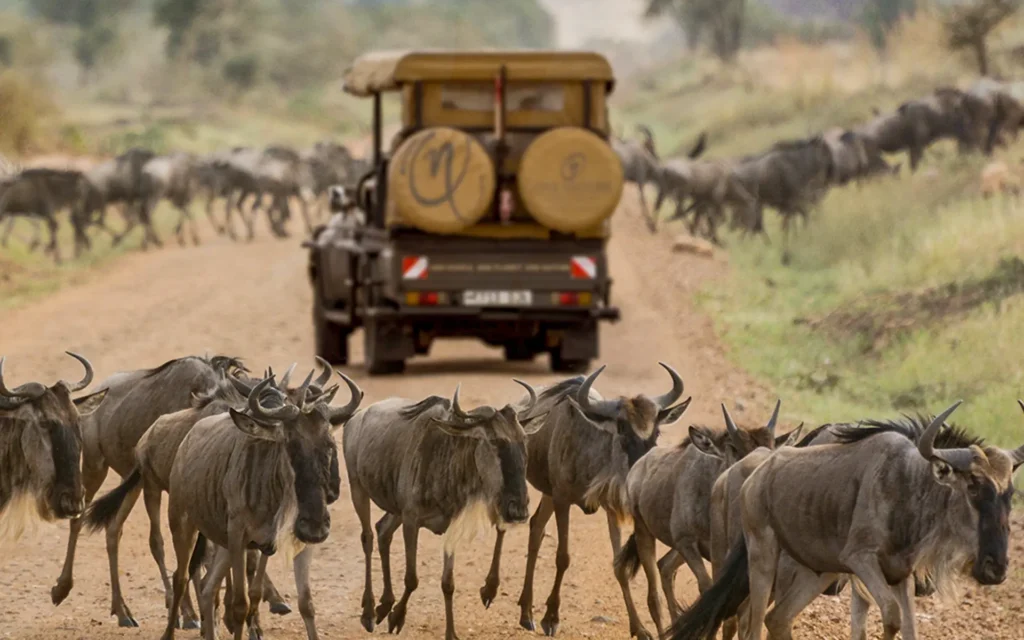
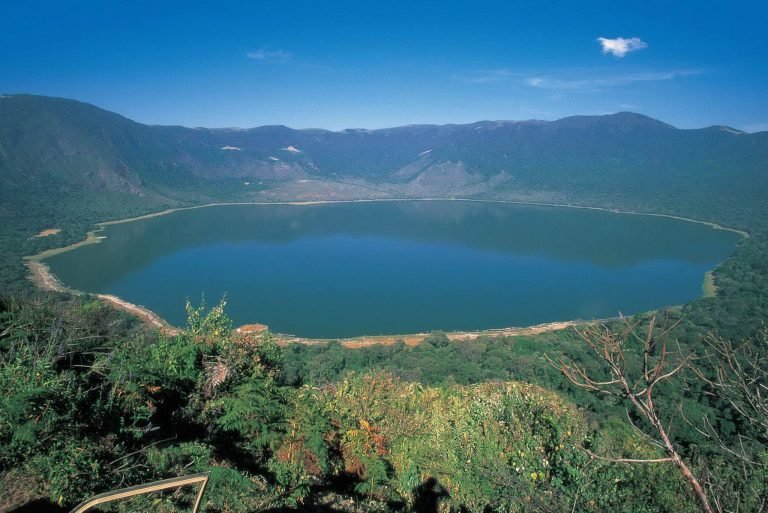
Ngorongoro Crater is one of the most spectacular natural wonders in Africa. It was formed millions of years ago when a massive volcano erupted and collapsed, leaving behind the world’s largest intact volcanic caldera. The crater floor spans over 260 square kilometers and is enclosed by steep walls over 600 meters high, creating a natural sanctuary for wildlife.
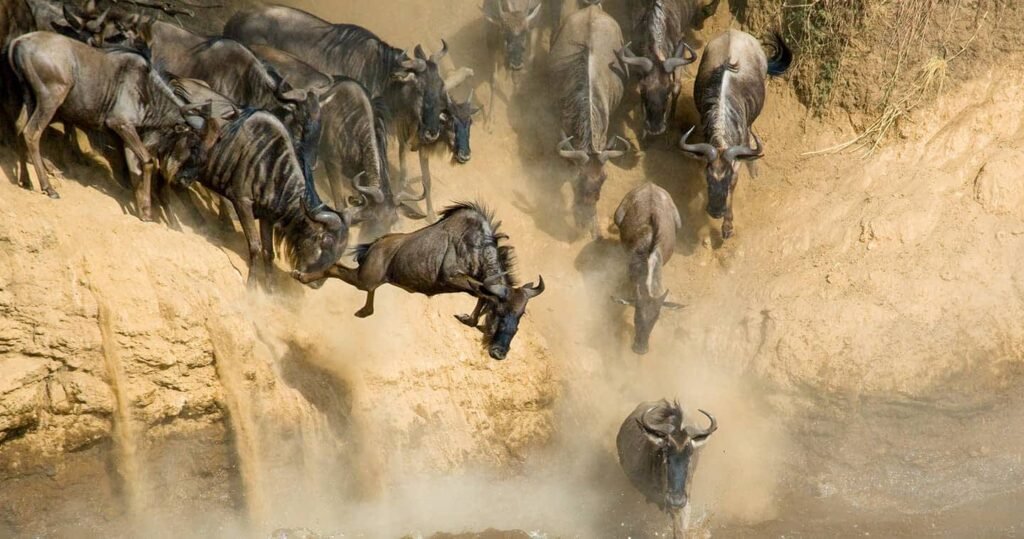
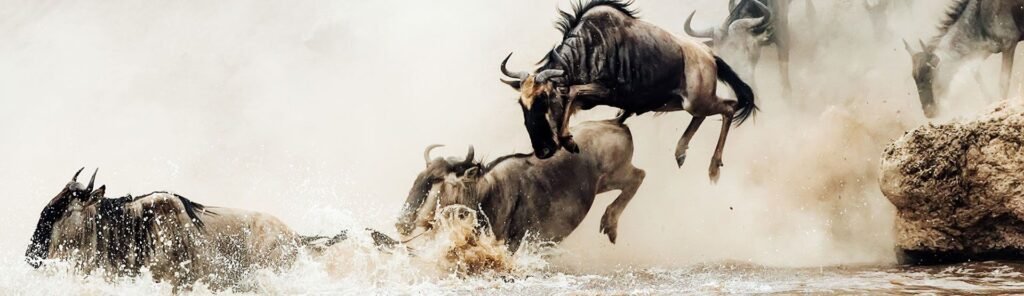
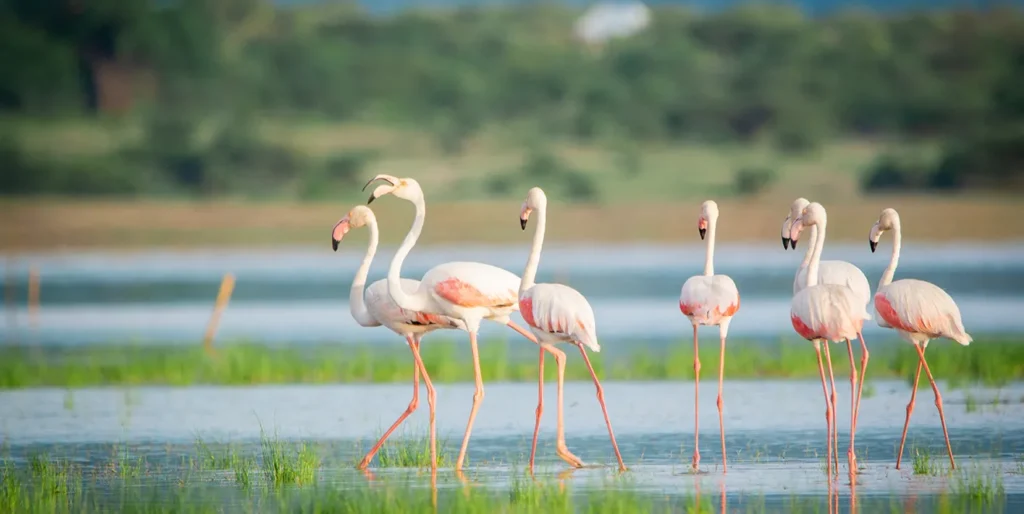
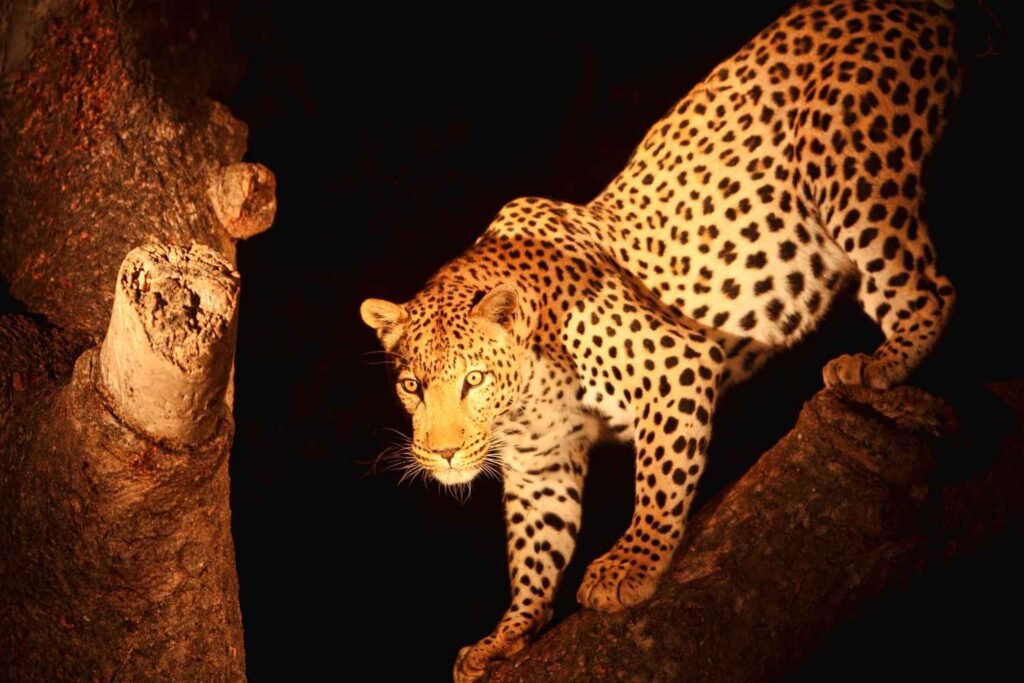
Within this vast bowl lies a variety of habitats—grassy plains, woodlands, swamps, and the shimmering Lake Magadi. The crater supports around 25,000 animals year-round, including lions, elephants, rhinos, buffaloes, wildebeest, and flamingos. Its compact environment makes it one of the best places in Africa to see the Big Five in a single day.
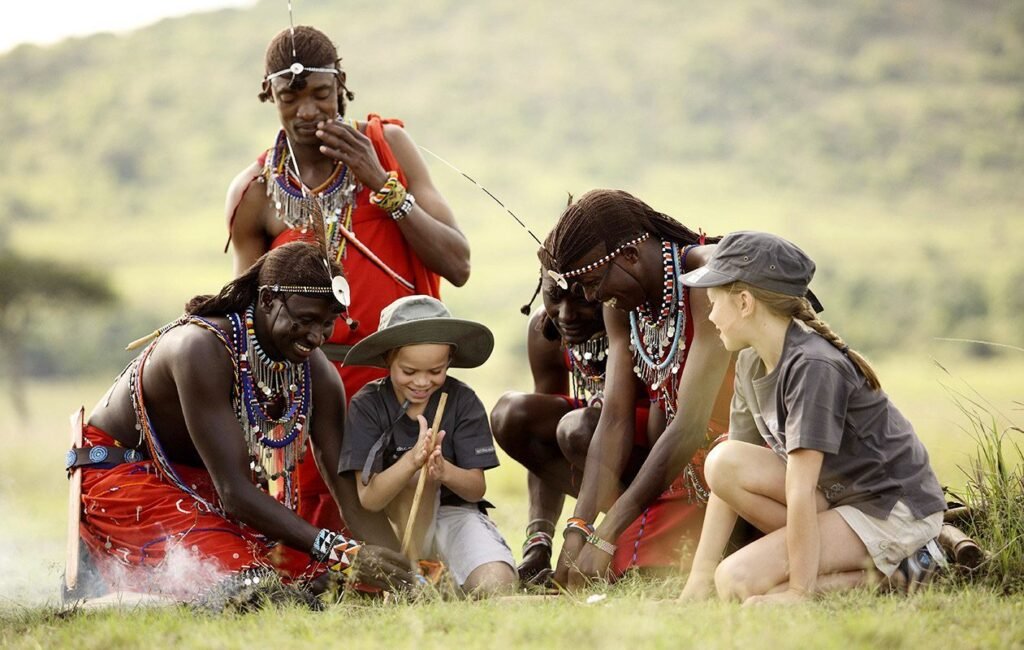
Surrounding the crater, the lush highlands offer incredible views and encounters with the Maasai people, who live nearby in traditional villages. The cool mountain air, breathtaking scenery, and dense wildlife population make Ngorongoro a must-visit destination for nature lovers and photographers alike.
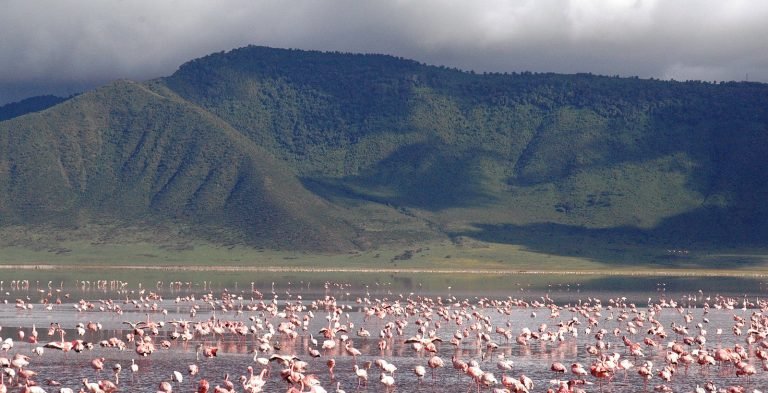
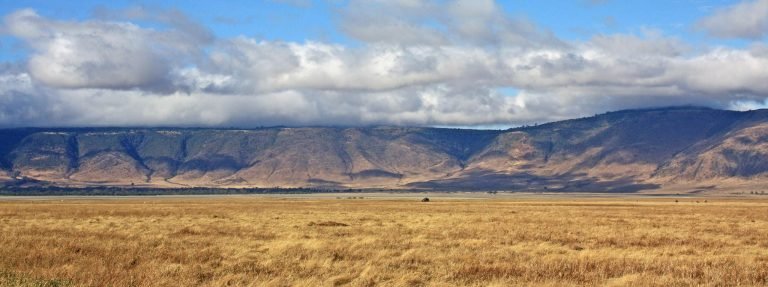
The crater is lush and green after short rains. Wildlife is active, and the scenery is perfect for photography. Fewer tourists than peak season.
A Very good time to Visit.
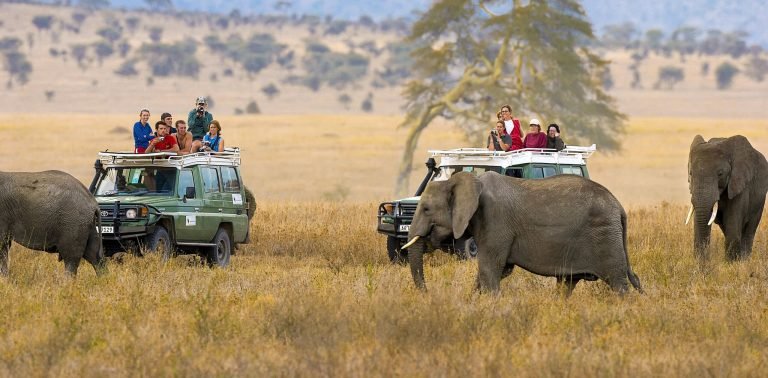
One of the best months to visit. Dry and warm, making roads easy to navigate. Wildlife is highly visible and energetic. Nearby Serengeti is in calving season, drawing predators—ideal for dramatic wildlife encounters and photo opportunities.
A Very good time to Visit.
Long rains begin; some roads can be muddy and challenging, making certain areas less accessible. Wildlife is still present but may be slightly dispersed. Quiet atmosphere with few tourists is a plus for those seeking solitude.
A Very good time to Visit, with Pros & Cons
Peak of the long rains; heavy showers may limit game drives. The landscape is spectacularly green and alive, perfect for photographers seeking unique rain-soaked scenery. Lodges may have lower occupancy and reduced rates.
This is not a great time to visit.
Rainfall reduces but the vegetation remains dense, which can make spotting animals slightly harder. Great for travelers who prefer fewer crowds and budget-friendly lodges. Birdwatching is excellent as migratory species return.
A Very good time to Visit, with Pros & Cons
Start of the dry season; clear skies, mild temperatures, and excellent game visibility. Animals gather near water sources, making it ideal for classic safari drives and photography. Roads are in excellent condition.
A Very good time to Visit.
Peak safari month. Dry, cool mornings with very high wildlife activity. Lions and other predators are easy to spot hunting. Tourist numbers are higher, but the payoff is incredible scenery and unforgettable wildlife experiences.
A Very good time to Visit.
Dry and clear weather continues. Animal sightings remain strong, though mornings and evenings can be chilly. Slightly busy with tourists, but still excellent for safaris and panoramic photography.
A Very good time to Visit.
Stable dry weather, fewer tourists, and easy access to all areas of the crater. Wildlife congregates around permanent water sources, providing fantastic viewing opportunities and great photographic lighting.
A Very good time to Visit.
End of the dry season. Temperatures rise slightly and the landscape begins to green up. Wildlife is still concentrated, and fewer crowds than July–August. Ideal for those seeking a balance between scenery and game viewing.
A Very good time to Visit.
Short rains begin. Roads may get slippery, but the rains bring refreshing greenery and new plant growth. Wildlife is present but may start dispersing; excellent for photographers who like dramatic skies and fewer tourists.
A Very good time to Visit, with Pros & Cons
The crater is green and fresh from early rains. Animals are still visible, and the festive season brings lively but manageable crowds. A great time for colorful landscapes and active wildlife sightings.
A Very good time to Visit.
WhatsApp us