
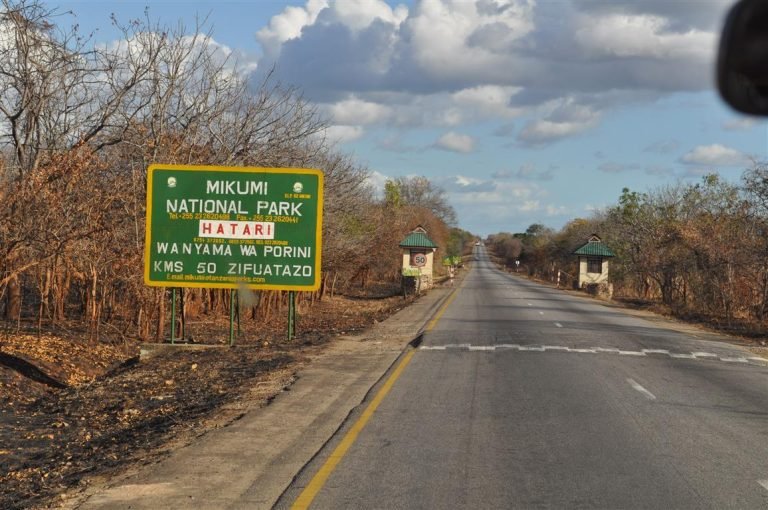
Mikumi National Park is Tanzania’s fourth largest national park, covering approximately 3,230 km². It is part of the Selous–Mikumi ecosystem, which extends to southern Tanzania and northern Mozambique, providing vast migration corridors for wildlife.
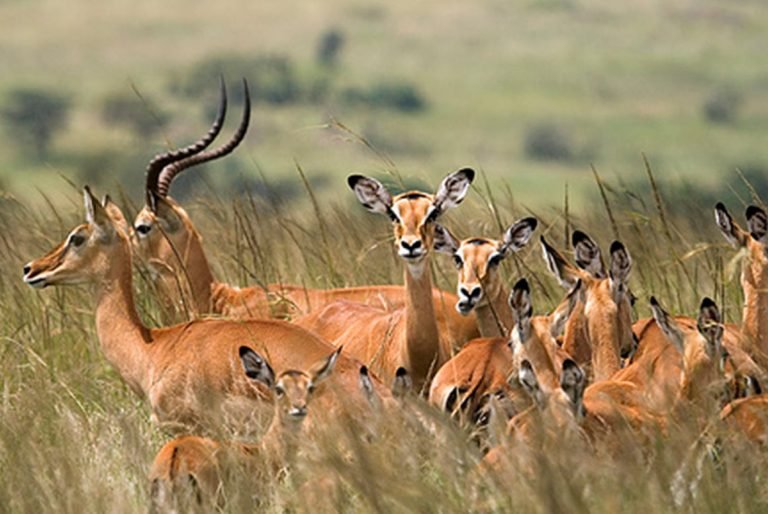
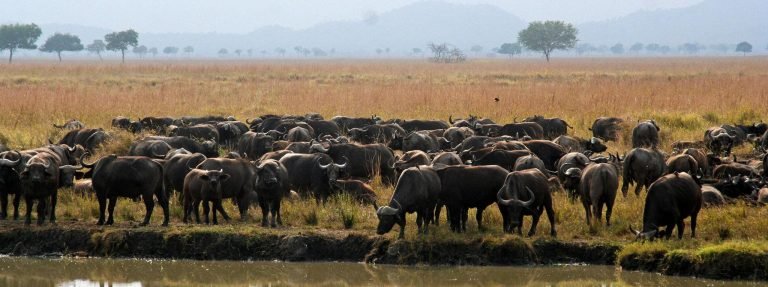
The park is known for its open savannahs, acacia woodlands, and seasonal rivers, making wildlife spotting easier. It hosts a variety of animals, including lions, elephants, giraffes, zebras, impalas, buffaloes, and spotted hyenas. Birdwatchers will also enjoy more than 400 recorded bird species, from vultures to colorful bee-eaters.
Mikumi offers less crowded safari experiences, ideal for game drives, walking safaris, and photography. The park’s proximity to Dar es Salaam also makes it a convenient destination for short trips while still offering rich wildlife and authentic safari experiences.

After short rains, vegetation is still green, making the scenery beautiful. Wildlife is active and visible, especially lions and elephants. Moderate tourist numbers.
A Very good time to Visit.
Dry season continues; roads are passable and animals are easy to spot. Great for photography and game drives. Some flowering plants add color to landscapes.
A Very good time to Visit.
Start of long rains. Trails and roads may be muddy; some waterholes fill up, dispersing animals. Fewer tourists, peaceful experience.
A Very good time to Visit, with Pros & Cons
Peak rainy season; roads can be difficult to navigate. Wildlife is still present but sightings may be challenging. Very few visitors, so it’s quiet and serene.
This is not a great time to visit.
Rain slows down, vegetation is thick, and water sources are replenished. Wildlife is present but slightly harder to spot in dense foliage. Great for photographers seeking lush landscapes.
A Very good time to Visit, with Pros & Cons
Dry season starts. Clear skies, easier road access, and animals start congregating around water sources. Excellent game viewing conditions.
A Very good time to Visit.
Dry, sunny weather. Wildlife is abundant and concentrated, making it easy to spot the Big Five. Roads are navigable, ideal for first-time visitors.
A Very good time to Visit.
Dry season continues; cool mornings and warm days. Wildlife activity remains high. Slightly higher tourist presence, but still peaceful compared to northern parks.
A Very good time to Visit.
Clear skies, excellent visibility, and dry conditions. Wildlife is concentrated, making game drives highly productive.
A Very good time to Visit.
Warm and dry; vegetation begins to brown. Animals are easier to see and photograph. Ideal for photographers and family safaris.
A Very good time to Visit.
Short rains begin, roads may get slippery. Wildlife remains but may start dispersing. Excellent for quiet, off-peak visits.
A Very good time to Visit, with Pros & Cons
Short dry spell after early rains; landscapes are green and wildlife is still visible. Moderate tourist numbers make it pleasant for relaxed game drives.
A Very good time to Visit.
WhatsApp us