
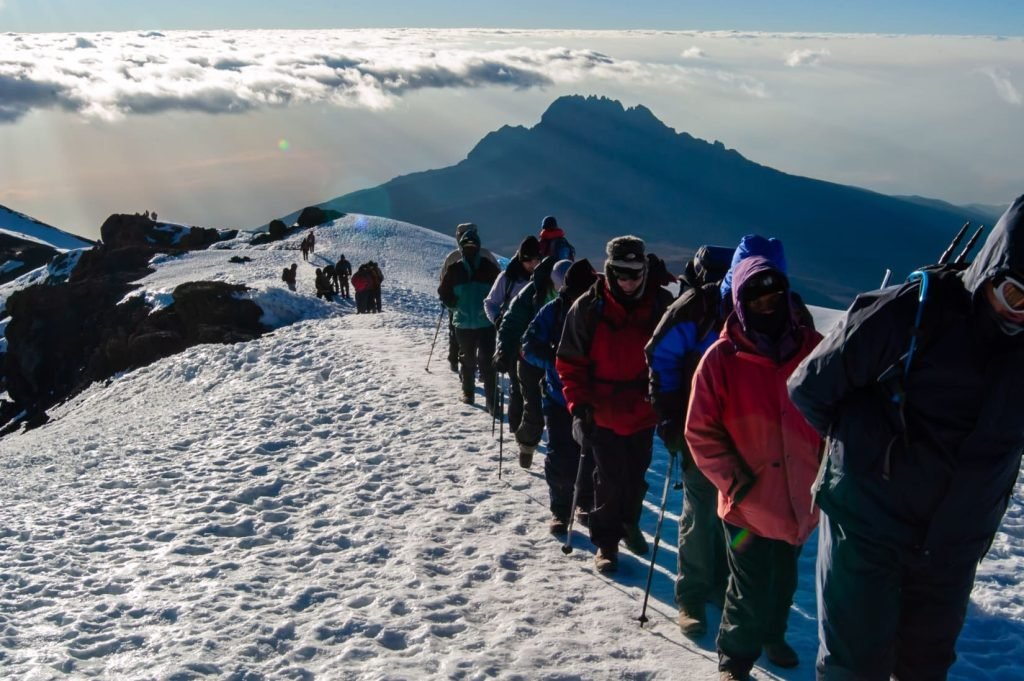
Mount Kilimanjaro, the Roof of Africa, is a dream destination for adventurers worldwide. Standing at 5,895 meters (19,341 feet), it’s the tallest free-standing mountain in the world and one of Tanzania’s most iconic landmarks.
But one question often stops travelers in their tracks:
“How hard is it to climb Mount Kilimanjaro?”
In this comprehensive guide, we’ll break down everything you need to know — from physical challenges and altitude effects to preparation, gear, routes, and insider tips — so you can confidently plan your climb and make this life-changing adventure a reality.
Climbing Kilimanjaro is a non-technical trek, meaning you don’t need advanced mountaineering skills or equipment like ropes or ice axes.
However, the difficulty lies in the altitude, endurance, and changing climate zones.
Here’s what makes it challenging:
| Factor | Details |
|---|---|
| Altitude | Summit is 5,895m; altitude sickness is common without proper acclimatization |
| Distance & Duration | Trekking routes range from 5 to 10 days, covering 40–70 km (25–44 miles) |
| Climate Zones | Hike through rainforest, alpine desert, and arctic summit conditions |
| Physical Demand | Up to 8–10 hours of walking per day on some routes |
| Mental Challenge | Early morning summit attempts require determination and stamina |
Even though technical climbing skills aren’t required, endurance, preparation, and mental strength are crucial.
Choosing the right route impacts both the difficulty and your chance of success. Here’s a breakdown:
| Route | Days | Difficulty | Highlights |
|---|---|---|---|
| Marangu (“Coca-Cola Route”) | 5–6 | Moderate | Hut accommodations, scenic views, shorter duration |
| Machame (“Whiskey Route”) | 6–7 | Moderate to Strenuous | Forests, lava towers, better acclimatization, higher success rate |
| Lemosho | 7–8 | Strenuous | Remote trail, stunning scenery, high summit success |
| Rongai | 6–7 | Moderate | Northern approach, quieter trail, less scenic diversity |
| Northern Circuit | 8–9 | Strenuous | Longest route, best acclimatization, panoramic views |
| Umbwe | 5–6 | Very Strenuous | Steepest and shortest, least recommended for beginners |
Pro Tip: Longer routes with slower ascents improve acclimatization and increase your chances of reaching the summit.
Altitude sickness (Acute Mountain Sickness – AMS) is the main difficulty, even for fit trekkers.
Headaches and dizziness
Nausea or vomiting
Shortness of breath
Fatigue
Loss of appetite
Serious symptoms (confusion, persistent vomiting, or difficulty walking) require immediate descent.
Choose a longer route (7–9 days) for gradual acclimatization
Hydrate frequently — drink 3–4 liters of water daily
Ascend slowly and listen to your body
Consider Diamox (consult your doctor) to reduce symptoms
Avoid alcohol and sedatives before and during the trek
Even though technical skills aren’t needed, fitness is important.
Cardiovascular exercise: Hiking, jogging, cycling, or swimming
Endurance walking: Gradually increase distance with a backpack
Strength training: Legs, core, and back to handle uphill climbs
Practice hikes: Trek at altitude if possible to simulate conditions
Pro Tip: Walking 2–4 hours per day, 3–4 times a week, for 8–12 weeks before the climb greatly improves stamina.
Having the right gear makes a big difference in comfort and safety:
| Category | Items |
|---|---|
| Clothing | Thermal base layers, fleece jacket, down jacket, waterproof jacket, trekking pants |
| Footwear | Sturdy hiking boots, gaiters, warm socks |
| Accessories | Hat, gloves, sunglasses, sunscreen, headlamp |
| Backpack | Daypack for essentials during daily hikes |
| Camping Gear | Sleeping bag rated for -10°C to -15°C (if camping route) |
| Hydration & Nutrition | Water bottles, hydration pack, high-energy snacks |
| Health & Safety | First aid kit, altitude medication, personal toiletries |
Tip: Layering is key — temperatures can range from 25°C in the rainforest to -20°C at the summit.
Reaching Kilimanjaro’s summit is as much a mental challenge as a physical one.
Early morning summit push often starts at 11 PM to reach the top by sunrise.
Walking through cold, thin air for 6–8 hours requires mental resilience.
Maintaining a positive mindset and supporting fellow trekkers boosts motivation.
Pro Tip: Break the summit climb into smaller milestones — “reach the next rock” or “reach the ridge” — to keep morale high.
Here’s what a 7-day Machame route itinerary might look like:
| Day | Activity |
|---|---|
| 1 | Arrive in Moshi / Arusha, gear check, overnight in hotel |
| 2 | Machame Gate to Machame Camp (2,800m → 3,000m) |
| 3 | Machame Camp → Shira Camp (3,000m → 3,840m) |
| 4 | Shira Camp → Barranco Camp (3,840m → 3,950m) |
| 5 | Barranco Camp → Karanga → Barafu Camp (4,035m → 4,600m) |
| 6 | Summit Day: Barafu → Uhuru Peak → Mweka Camp (4,600m → 5,895m → 3,100m) |
| 7 | Mweka Camp → Mweka Gate → Return to Moshi / Arusha |
Note: Summit day is the toughest — 6–8 hours of uphill climbing in thin air.
Success rates: Long routes (7–9 days) = ~90%; short routes (5 days) = ~50–60%
Difficulty ranking: Moderate for fit hikers; challenging due to altitude, weather, and endurance
Common reasons for not summiting: Altitude sickness, fatigue, poor acclimatization
Pro Tip: Focus on acclimatization, hydration, and pacing, not speed — slow and steady wins the climb.
The summit is magical:
Sunrise over Africa — unforgettable panoramic views
Standing at 5,895m (19,341 ft) — a bucket-list moment
Sense of accomplishment — physically, mentally, and emotionally rewarding
Many trekkers describe the feeling as life-changing, making every challenge worthwhile.
A good operator ensures safety, comfort, and a higher success rate:
Experienced guides trained in altitude awareness
Properly equipped porters and camping logistics
Safe, structured trekking schedules
Emphasis on responsible tourism and conservation
Pro Tip: Reviews and recommendations from past climbers are valuable when selecting an operator.
Train consistently before the climb
Choose a longer route for better acclimatization
Pack smart and layer clothing for extreme temperature changes
Listen to your body and communicate with guides
Stay positive and mentally prepared for the summit push
Hydrate and eat energy-rich foods throughout the trek
Respect the environment and local culture
Yes — it’s physically and mentally challenging, but it’s achievable for most reasonably fit and prepared travelers.
The difficulty lies not in technical climbing, but in endurance, altitude, and mental strength. With preparation, proper guidance, and a positive mindset, reaching Uhuru Peak becomes not only possible but also an unforgettable, life-changing adventure.
Climb Kilimanjaro, conquer your limits, and stand on the Roof of Africa — it’s hard, but the reward is priceless.
We offer custom Kilimanjaro trekking packages, including:
Experienced guides and porters
Choice of route based on experience and fitness
Accommodation and logistics planning
Health and safety briefings for altitude preparation
Contact us today to start your Kilimanjaro adventure and experience one of the most remarkable treks on Earth.
WhatsApp us