
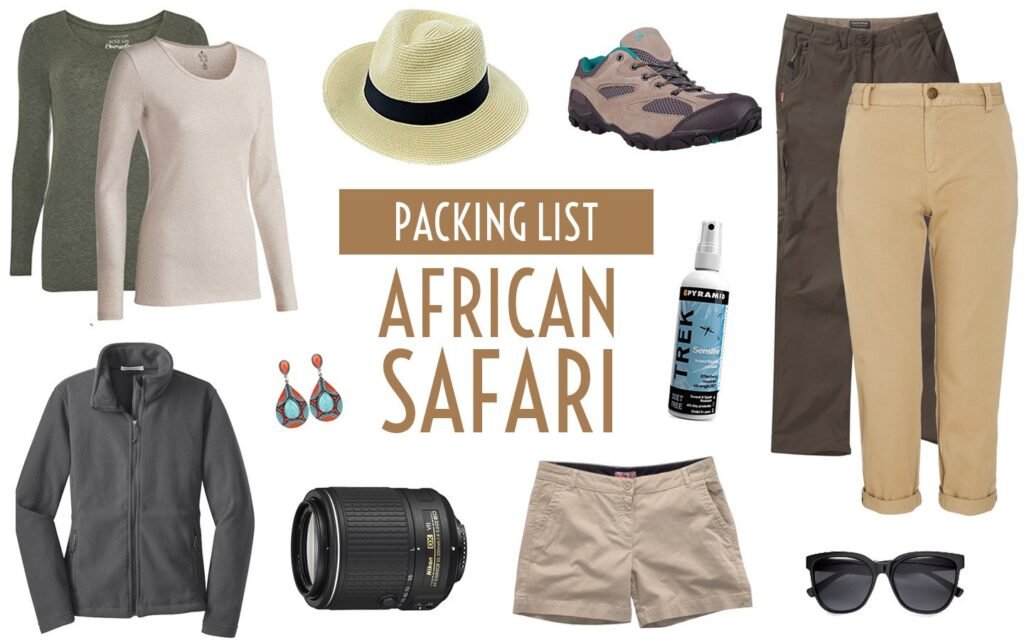
So, your Tanzania safari is booked, your excitement is high, and the countdown has begun. You’ve probably seen breathtaking photos of lions lounging under acacia trees and elephants marching through the golden plains — but before you get there, there’s one big question to answer:
What should I pack for a Tanzania safari?
Don’t worry — this is your ultimate Tanzania safari packing guide, designed to help you travel light, stay comfortable, and be ready for every adventure. Whether you’re exploring the Serengeti, Ngorongoro Crater, or Tarangire, this list will ensure you bring exactly what you need — and nothing you don’t.
Packing for a safari isn’t like packing for a city holiday. The African bush comes with unique conditions — fluctuating temperatures, dusty roads, bright sun, and early morning game drives.
Choosing the right gear means you’ll be:
Comfortable in every temperature and terrain
Prepared for wildlife viewing, photography, and travel days
Light enough for small-plane luggage limits (usually 15–20 kg per person in soft bags)
The secret is versatility — items you can mix, match, and layer. Let’s get started!
Before packing, it helps to understand what the weather will be like:
| Season | Months | Conditions | What to Pack |
|---|---|---|---|
| Dry Season | June – October | Cool mornings, warm days, little rain | Layers, light jackets, sun hat |
| Short Rains | November – December | Intermittent showers, warm temps | Light rain gear, breathable clothes |
| Green Season | January – May | Hot days, lush scenery, afternoon rain | Quick-dry clothes, waterproof jacket |
Tip: The dry season is best for wildlife viewing, but even in the green season, you’ll experience incredible game drives — just bring a bit more rain protection.
Here’s everything you’ll need — divided into categories for easy planning.
Safari clothing should be lightweight, neutral-toned, and practical. Avoid flashy colors or heavy fabrics.
| Item | Recommended Quantity | Why You Need It |
|---|---|---|
| Long-sleeve shirts | 3–4 | Protection from sun & insects |
| Short-sleeve shirts | 2–3 | Great for warmer afternoons |
| Lightweight trousers | 2–3 | Comfortable and breathable |
| Shorts | 1–2 | Ideal for mid-day relaxation |
| Fleece or sweater | 1 | Early morning game drives can be cold |
| Windbreaker or jacket | 1 | Wind and light rain protection |
| Casual evening wear | 1–2 | Dinners at lodges or camps |
| Undergarments & socks | Enough for your trip | Quick-dry fabrics preferred |
| Swimsuit | 1 | Many lodges and camps have pools |
Color Tip: Choose earthy tones — khaki, beige, olive, and brown. Avoid white (dust magnet), dark blue, and black (attracts tsetse flies).
The right shoes make a huge difference on safari. You’ll be stepping in and out of vehicles, walking around camps, and possibly joining guided bush walks.
| Type | Example Use | Notes |
|---|---|---|
| Light hiking shoes | Game walks, bush camps | Comfortable, breathable, broken-in |
| Sneakers/trainers | Game drives | Lightweight and easy to clean |
| Sandals/flip-flops | Evenings & showers | Easy to slip on around camp |
Pro Tip: Don’t bring new shoes — break them in before your trip!
| Item | Purpose |
|---|---|
| Wide-brim hat | Sun protection |
| Sunglasses (polarized) | Eye protection from glare |
| Buff or scarf | Protects from dust on game drives |
| Light gloves | For chilly morning drives |
| Bandana / headband | Keeps hair and sweat in check |
| Travel belt or pouch | For cash, cards, and documents |
| Item | Why It’s Useful |
|---|---|
| Binoculars (8×42 or 10×42) | Essential for spotting wildlife |
| Camera / DSLR / Smartphone | Capture incredible moments |
| Extra memory cards & batteries | Power may be limited in remote lodges |
| Power bank or solar charger | Keep devices charged |
| Flashlight / headlamp | Camps can get dark at night |
| Reusable water bottle | Stay hydrated and reduce plastic use |
Zanzibar and mainland Tanzania are tropical, so hygiene and protection matter.
| Item | Purpose |
|---|---|
| High SPF sunscreen | Protect against strong UV rays |
| Insect repellent (DEET-free) | Ward off mosquitoes and tsetse flies |
| After-bite cream | Soothes minor insect bites |
| Hand sanitizer & wipes | Keep hands clean on drives |
| Lip balm with SPF | Prevents chapping |
| Moisturizer | Dry air can affect skin |
| Personal medications | Bring enough for your stay |
| First-aid kit | Band-aids, pain relief, antiseptic cream |
| Motion sickness tablets | For bumpy roads or flights |
Note: Malaria prevention is important — consult your doctor before traveling.
Most safari flights and vehicles have limited space. The golden rule: Pack soft and pack light.
| Bag Type | Recommended Weight | Details |
|---|---|---|
| Soft duffel bag | 15–20 kg max | Fits easily into safari vehicles |
| Daypack / backpack | 5–7 kg | For daily essentials like camera, water, jacket |
Avoid: Hard-shell suitcases — they’re bulky and difficult to fit in safari jeeps and bush planes.
| Item | Notes |
|---|---|
| Passport (6+ months validity) | Required for entry |
| Visa (if needed) | Can be obtained online or on arrival |
| Flight tickets & itinerary | Keep printed and digital copies |
| Travel insurance | Must include medical evacuation |
| Vaccination card (e.g. Yellow Fever) | Sometimes required |
| Cash (USD) | For tips, souvenirs, and emergencies |
| Credit/debit card | Ensure it works internationally |
Here’s a quick sample checklist for a one-week Tanzania safari:
| Category | Item |
|---|---|
| Clothing | 4 shirts, 2 pants, 1 short, 1 fleece, 1 jacket, 1 casual outfit |
| Footwear | Hiking shoes, sneakers, sandals |
| Accessories | Hat, sunglasses, scarf, gloves |
| Gear | Camera, binoculars, charger, flashlight |
| Health & Hygiene | Sunscreen, repellent, medications, sanitizer |
| Documents | Passport, insurance, money |
| Luggage | 1 soft duffel bag + 1 daypack |
Roll, don’t fold — saves space and minimizes wrinkles.
Laundry services are available — most lodges offer next-day service, so you can pack lighter.
Layer smartly — cool mornings, warm afternoons, cool nights.
Separate valuables — keep money and documents in your daypack.
Bring a dry bag — protects electronics from dust or rain.
Leave space for souvenirs — spices, crafts, and Tanzanite jewelry are worth bringing home!
Heavy jeans or bulky sweaters (too hot and heavy)
Bright or camouflage clothing (not suitable for safari)
Drones (banned in many national parks)
Hard suitcases (don’t fit in vehicles or planes)
Too much tech (power supply can be limited)
| Item | Why Bring It |
|---|---|
| Travel pillow | For long drives or flights |
| Lightweight blanket | Cozy for early morning drives |
| Book or Kindle | Relaxing downtime at camp |
| Journal | Record your safari memories |
| Travel-size laundry detergent | For quick washes |
| Compact binocular harness | Keep your hands free while exploring |
Packing for a Tanzania safari is about being practical, prepared, and free to enjoy the wild.
When your bag is filled with the right essentials, you can focus on what truly matters — watching elephants at sunrise, listening to lions roar in the distance, and feeling the heartbeat of Africa beneath the open sky.
Remember: it’s not about bringing everything, but about bringing what truly enhances your adventure.
Less luggage. More freedom. Endless memories.
We help travelers plan unforgettable Tanzania safaris — from what to pack to where to stay.
Let us design a safari that matches your style, comfort, and dream destinations.
Contact us today to start planning your Tanzania safari experience.
WhatsApp us